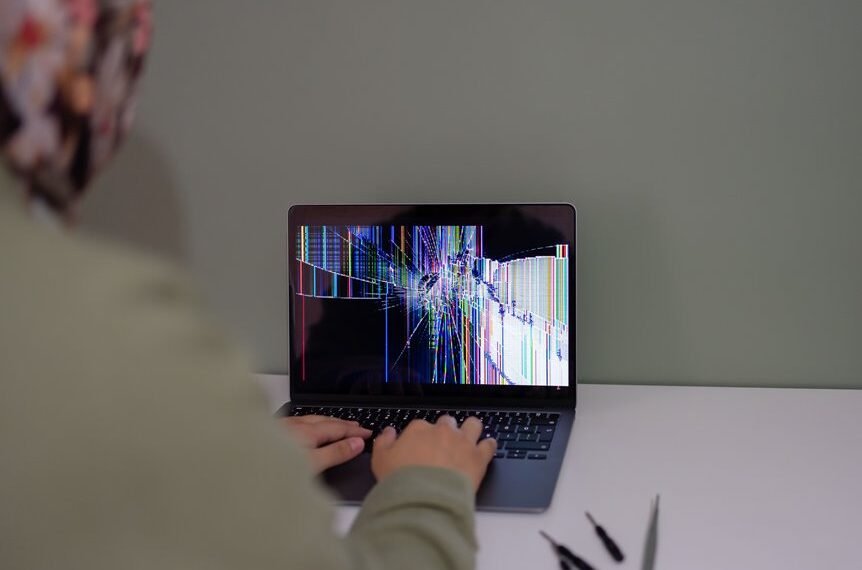
Effective troubleshooting around 866-787-6341 follows a disciplined, independent workflow. One starts by mapping symptoms and expected behavior, then isolates faults through sequential testing of components. Documentation at each step ensures repeatability and accountability. Verifications include firmware currency, WAN/LAN settings with the provider, and secure wireless configurations amid potential interference. Methods adapt as needed, notes remain precise, and escalation is clearly described with prior checks when issues persist. The next step clarifies what to verify before contacting support.
What Problems Typically Show up With Routine Connectivity?
Common connectivity problems during routine use often involve slow or intermittent network performance, failed connections, and brief outages. These symptoms affect network reliability and can stem from outdated router firmware, misconfigured settings, or interference. Users seek stable access, prompt diagnostics, and control over their environment. Systematic checks identify root causes, enabling targeted fixes while preserving freedom to customize and optimize home or small-office networks.
How to Verify Settings and Test Your Hardware
To verify settings and test hardware effectively, start with a structured checklist: confirm that the router’s firmware is current, review WAN and LAN settings for consistency with the service provider, and ensure wireless channels and security protocols match recommended configurations.
Verification steps and hardware testing remain focused, practical, and objective, enabling fast, independent problem resolution with transparent results.
Step-By-Step Troubleshooting Workflow You Can Follow
A clear, methodical workflow for troubleshooting begins with a structured, step-by-step approach that can be followed regardless of the specific issue. The process emphasizes issue mapping to outline symptoms and expectations, then proceeds to fault isolation by testing components in sequence. Documentation accompanies each step, ensuring repeatability, accountability, and the freedom to adapt methods as needed without unnecessary complexity.
When to Call the Pros and What to Tell Them (With 866-787-6341)
Determining when to involve professionals is essential to prevent downtime and ensure safety during routine difficulties. The discussion outlines when to call, and what to tell them, with a focus on efficient, calm communication. Follow a step by step approach: describe symptoms, provide context, and how to verify prior steps. This maintains a steady troubleshooting workflow and minimizes risk.
Frequently Asked Questions
Can Latency Spikes Indicate a Throttling Issue From the ISP?
Latency spikes can indicate throttling concerns, but require methodical checks: monitor latency over time, assess aging cables, and review firmware resets. Consider safe reboot, remote sessions, and privacy risks, while data protection and network maintenance inform personalized settings and throttling considerations.
Do Firmware Updates Reset Personalized Network Settings?
Firmware updates can reset some personalization settings, though not all. A single anecdote: a router reboot resembled a safe reboot—brief, transparent. Latency spikes may hint throttling, aging cables, or replacement frequency; data loss and privacy risks loom with remote sessions.
How Often Should I Replace Aging Network Cables?
Aging network cables should be replaced when performance degrades or reliability risks rise, typically on a gradual upgrade cadence. Prioritize reliable cables and monitor for intermittent faults; schedule replacements as part of a proactive upgrade cadence, not ad hoc.
Is There a Safe Way to Reboot Devices Without Data Loss?
Like a lighthouse steadies ships, reboot safety exists: a controlled shutdown preserves data preservation. The approach is methodical: back up, save settings, graceful reboot, verify integrity, and monitor post-reboot to ensure systems resume without loss.
What Privacy Risks Exist During Remote Troubleshooting Sessions?
Privacy risks exist during remote sessions, as data privacy and session security can be exposed if credentials are intercepted or screens shared without controls. The approach emphasizes encryption, access limits, and robust authentication to minimize exposure.
Conclusion
In the quiet hum of routine connectivity, the clues begin to align—when the lights flicker, or a device stalls, the pattern emerges. The procedure is deliberate: map symptoms, test components, verify settings, and document each step. As dusk settles, the final verification looms—firmware current, provider signals solid, wireless configurations secure. And just as certainty seems near, one more anomaly appears, suggesting a deeper fault. The waiting fade of resolution leaves the reader anxious for the next—call, confirm, and wait.