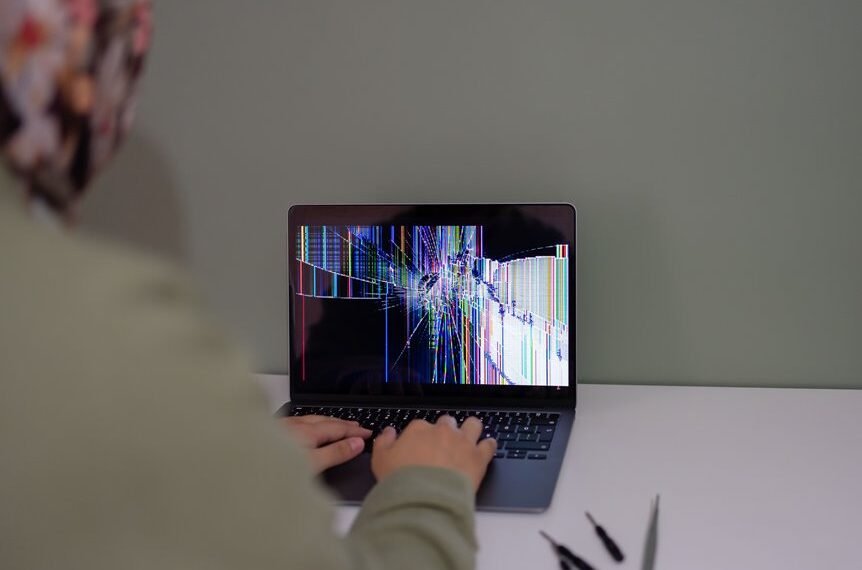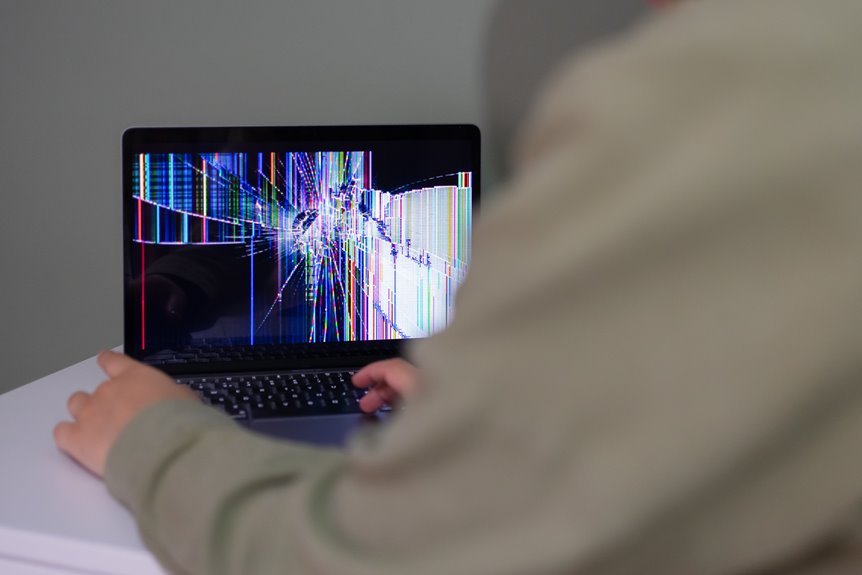
Everyday concerns often begin with a clear symptoms note and a concise checklist. This approach uses quick, repeatable tests to isolate faults in outlets, devices, and routers. It emphasizes low-cost fixes and disciplined documentation to spot recurring patterns. When issues persist, a structured handoff to a professional becomes clearer, with precise details and expectations. The method aims to keep problems manageable, but the next steps reveal how to apply it in real scenarios.
What Problems Count as Everyday Troubleshooting?
Common everyday troubleshooting encompasses routine problems encountered in ordinary settings, such as home, work, or personal devices, that can be resolved through systematic, low-effort steps. The scope includes minor failures, user errors, and configuration quirks, not major outages. Emphasis rests on methodical checks, documentation, and prioritization under budget constraints, while recognizing faulty naming can mislead diagnosis and complicate corrective actions. Freedom is preserved through structured neutrality.
Quick Diagnostic Steps for Common Home Tech Hiccups
Quick diagnostic steps for common home tech hiccups follow a disciplined, stepwise approach that prioritizes speed and accuracy.
A detached reader identifies symptoms, consults a diagnostic checklist, and adopts a quick fix mindset.
Emphasis on power cycling and connectivity basics guides initial testing, while avoiding unnecessary details.
Method remains concise, actionable, and oriented toward independent, freedom-loving troubleshooting.
Step-by-Step Fixes for Everyday Appliances and Connectivity
This section translates the prior diagnostic framework into actionable steps for everyday appliances and connectivity.
Identify a faulty outlet and verify power integrity with a tester, then reseat or replace affected devices.
For connectivity, monitor router reboots, ensure firmware is current, and optimize placement.
Document recurring faults, isolate causes, and implement concise, repeatable fixes for reliable performance.
When to Call a Pro and How to Communicate the Issue Effectively
When should a professional be engaged, and how can the issue be conveyed clearly to increase the likelihood of an effective resolution?
A clear assessment reflects a troubleshooting mindset, outlining symptoms, timing, and impacts.
Callers should follow home tech etiquette, document steps taken, and present concise specifics.
Calling pros with organized data improves diagnosis, speeds repair, and preserves autonomy and safety.
Frequently Asked Questions
How Can I Reset Devices Without Losing Data?
Yes, one should back up data first, then choose a reset option with data preservation. How to safely back up data is prioritized, and how to reset without data loss is executed only after confirming compatible cloud or local restore points.
What Safety Precautions Prevent Electrical Shocks During Fixes?
Safety awareness and shock prevention start with unplugging devices, drying hands, and inspecting cords. The user maintains distance from exposed conductors, uses insulated tools, tests with a meter, and follows lockout procedures to ensure safe, independent troubleshooting.
Which Warranty Terms Cover DIY Repairs?
DIY warranties vary; repair coverage often excludes improper DIY work, voiding claims. The terms specify what parts, labor, and incidents are covered, and whether self-repairs void the warranty. Review documentation, eligibility, and notification requirements for precise applicability.
Are There Budget-Friendly Diagnostic Tools I Can Use?
Budget friendly diagnostic tools exist for basic diagnostics, and they provide essential insights without excessive cost. The approach emphasizes portability, user guides, and straightforward interfaces, enabling freedom to troubleshoot common issues efficiently while maintaining safety and accuracy.
How Do I Document Recurring Issues for Future Support?
A striking 72% report recurring problems quarterly. To document recurring issues, implement consistent issue logging: capture date, symptoms, steps to reproduce, environment, and impact. Documenting issues enables efficient triage and future support, fostering operational freedom.
Conclusion
In applying practical troubleshooting, the guide emphasizes calm, methodical steps over panicked guessing. By documenting symptoms, running repeatable tests, and prioritizing simple fixes, most common home tech issues resolve without professional help. When problems persist, timely escalation prevents wasted effort. As the saying goes, “A stitch in time saves nine,” suggesting early detection and swift, precise actions yield smoother systems and fewer recurring faults. The approach balances budget-conscious fixes with clear communication for efficient resolution.