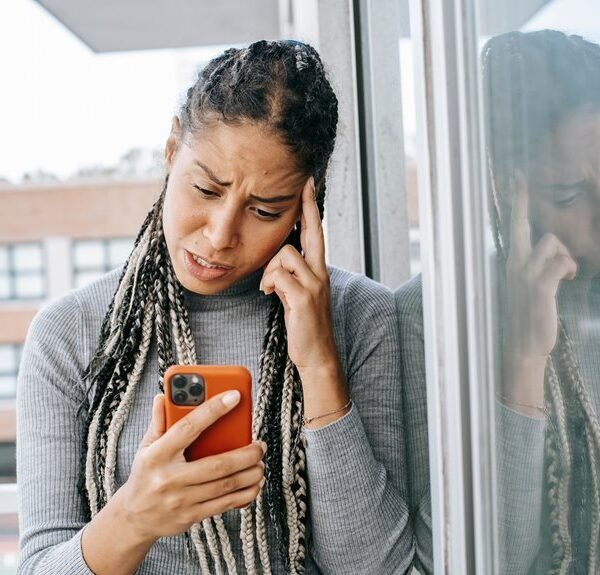
Common concerns about 918-505-4697 center on legitimacy, privacy, and safety. Calls may be legitimate outreach or automated marketing, yet spoofed IDs and pressure tactics are possible. The prudent mover avoids assumptions, collects verifiable details, and cross-checks with official records. The question becomes how to verify without exposing personal data. Weigh the choice to answer, return, or block, while noting that the next step hinges on the caller’s credibility and the context they provide.
What 918-505-4697 Might Be Calling For
There is considerable uncertainty about what a call from 918-505-4697 might signify, and the question warrants careful parsing of context, intent, and likelihood. A cautious analyst notes possibilities: legitimate outreach, automated marketing, or a fake caller attempting misdirection. False cues may induce mistaken identity, prompting verification rather than assumption. Clarity remains essential to preserve agency and freedom from manipulation.
How to Spot Red Flags in Voicemail and Caller IDs
Voicemail and caller ID can be informative tools, yet they often carry misleading cues. In this context, the observer notes how red flags emerge when messages push urgency, request personal data, or mirror familiar numbers. Caller IDs may spoof authenticity, masking unfamiliar origins. Curiosity and caution drive analysis: verify sources, pace reactions, and distrust automatic assumptions about legitimacy, especially with unknown callers.
Safe Steps to Verify Legitimacy Without Panicking
How can one verify legitimacy without triggering alarm? A detached observer proposes calm verification: gather verifiable data, cross-check numbers, consult official sources, and avoid impulsive calls.
Skeptical assessment weighs context and motives, not emotions. Verify legitimacy through documented records, consent prompts, and independent confirmation. Clarity remains crucial; calm verification minimizes panic while enhancing trust and informed decisions.
Practical Actions: Answer, Return, or Block-What to Do Next
In evaluating the next step, a detached observer weighs three concrete options—answering, returning to sender, or blocking—based on verifiable context, risk assessment, and desired outcome.
The approach remains curious, skeptical, precise, prioritizing autonomy. Consider calling etiquette and privacy best practices; decisions should minimize intrusion, preserve freedom, and clarify boundaries without sensationalism, ensuring choices align with personal and community safety.
Frequently Asked Questions
What Common Signs Indicate a Scam Beyond Call Content?
Common scam indicators include pressure tactics, inconsistent caller ID, and requests for personal data. Observing these suggests cautious analysis. Evidence gathering should document dates, numbers, and statements, enabling verification and informed, freedom-minded decision-making. Skeptical assessment minimizes undue influence and risk.
How Should I Document Suspicious Calls for Evidence?
Documenting suspicious calls requires meticulous note-taking, timestamped recordings where lawful, and preserved voicemail or texts; evidence collection practices should prioritize non-interference, chain-of-custody, and secure storage, enabling independent verification while preserving user autonomy and privacy.
Can Legitimate Organizations Use Spoofed Caller IDS?
Two-thirds of people mistrust unfamiliar calls, a statistic that underscores risk. Legitimate spoofing remains controversial; some entities justify it for protection, yet caller ID ethics urge transparency. The answerer notes legitimate spoofing is fraught with ethical tensions.
What Privacy Settings Reduce Spam Calls Effectively?
Privacy settings and robust spam filters reduce unwanted calls, though skeptics question consistency and trade-offs. The curious observer notes that careful configuration empowers freedom while demanding ongoing vigilance against evolving spoofing tactics and evolving telecommunication policies.
When Should I Involve Law Enforcement or Regulators?
When should they involve law enforcement or regulators? Involving authorities should occur when evidence indicates persistent violations surpassing regulatory thresholds, with clear harm or deceit; skepticism remains, yet precision demands documented, verifiable incident patterns before escalation to regulatory bodies.
Conclusion
The scene closes like a wary dawn: a pale phone screen glows, a thread of possible purpose tugging at the mind. The caller ID whispers a story, but the truth hides in the margins—spam, scam, or sincere outreach. With measured steps, the reader parses the evidence, weighs urgency against safety, and chooses method over impulse. In this quiet vigilance, questions become tools, not traps, and every unanswered ring leaves room for verification, prudence, and calm discernment.