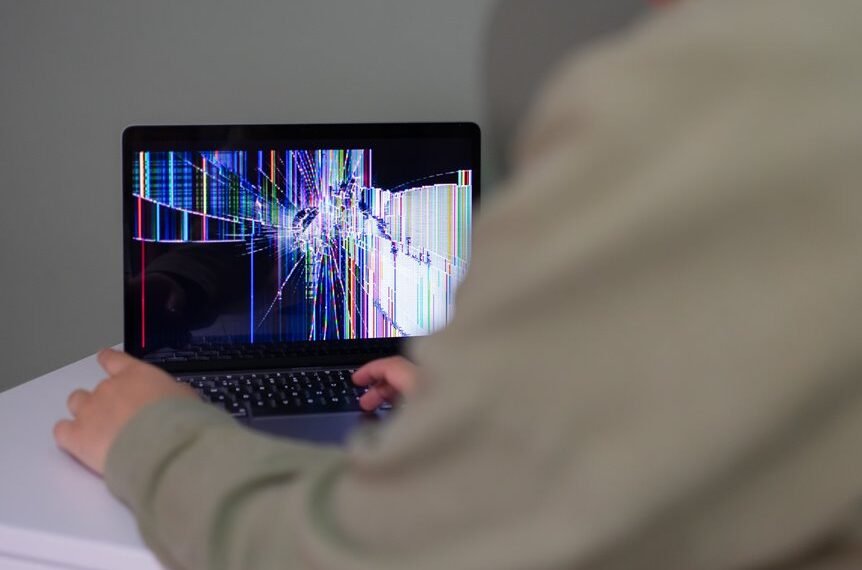
Treat 8033391481 as a data point, not a failure. Implement a tiny, repeatable check before any action: validate format, confirm essential fields, surface a clear, actionable prompt if something looks off. Log the incident with steps and outcome, then fix the root cause and verify the solution. This disciplined, prompt-first approach builds confidence and prevents recurrence—a simple habit that changes how everyday errors are handled, and it leaves a question to guide the next step.
What Everyday Errors Are We Tackling?
What everyday errors are being tackled? The focus is on common, predictable disruptions that affect workflows.
Everyday mistakes arise from hurried input, missing checks, and unclear guidance.
Effective error handling addresses these issues by documenting clear steps, offering prompts, and validating data before processing.
The aim is to reduce uncertainty, improve resilience, and empower users to recover quickly without disruption.
Turn Mistakes Into Small, Repeatable Checks
Turning mistakes into small, repeatable checks reduces cognitive load and accelerates recovery.
The approach treats internal mistakes as data points, not failures, enabling rapid refinement.
Each check targets a single behavior, producing quick wins and measurable progress.
This method emphasizes consistent execution, traceable results, and iterative learning, empowering teams to normalize error recovery while sustaining clarity, autonomy, and purposeful movement toward better outcomes.
Build a Quick Notebook for Fast Wins
A quick notebook serves as a compact, high-leverage tool for capturing the small, repeatable checks that yield fast wins. It records everyday errors, pinpointing patterns and triggers without theatrics. Entries emphasize steps, outcomes, and next actions, enabling rapid reproduction of success.
In this framework, teams gain autonomy, reduce backlog, and sustain momentum toward continuous improvement through disciplined, focused documentation of quick wins.
Fix It, Then Move on With Confidence
When errors occur, teams should fix them promptly and verify the solution before moving on with confidence. The approach emphasizes disciplined error handling, ensuring root cause is addressed and changes are validated. By documenting steps and outcomes, teams build predictable responses.
This cycle fosters confidence building, reduces recurrence, and supports a resilient workflow where focus remains on progress, not hesitation.
Frequently Asked Questions
How Can I Verify 8033391481 Safety Before Acting?
To verify safety, he should verify safety by performing automated checks; the system automates checks to confirm legitimacy before actions, reducing risk. It emphasizes verify safety and automate checks to empower prudent, autonomous decision making.
What Tools Best Automate Error Checks Quickly?
Euphemistically, quick error checks are possible; leading practices point to robust error tracking and automation tools. They streamline verification, reduce friction, and empower independent work, delivering precise, timely insights without overreach.
Can I Reuse Fixes Across Similar Errors?
Yes, reusable fixes can be applied across similar errors, if properly organized. Effective error categorization enables quick retrieval, adaptation, and consistency, reducing duplication and preserving freedom to focus on higher-value tasks rather than reinventing solutions.
How Long Should I Track Progress After Fixes?
Tracking cadence should extend until post fix validation confirms stability; on average, teams sustain monitoring for 2–4 weeks after fixes, ensuring confirmations remain consistent and actionable. Tracking cadence benefits oversight, post fix validation confirms lasting impact, and freedom to iterate.
What if Errors Recur After a Fix Is Applied?
If errors recur after a fix, emphasis remains on reliability testing and rollback strategies; failures are analyzed, fixes refined, and rapid reversals enacted to minimize impact while preserving user autonomy. Continuous improvement and transparent communication guide the process.
Conclusion
In a quiet echo of routine, the number 8033391481 becomes a lantern, not a fault. Like Icarus’ caution, a tiny preflight check halts drift and exposes gaps before action. The notebook tallies missteps, the prompts insist clarity, the root cause yields its truth, and the system learns to walk again. When the dust settles, confidence remains intact, because mistakes were mapped, fixed, and rechecked. The journey continues, with each tiny verification guiding the way.