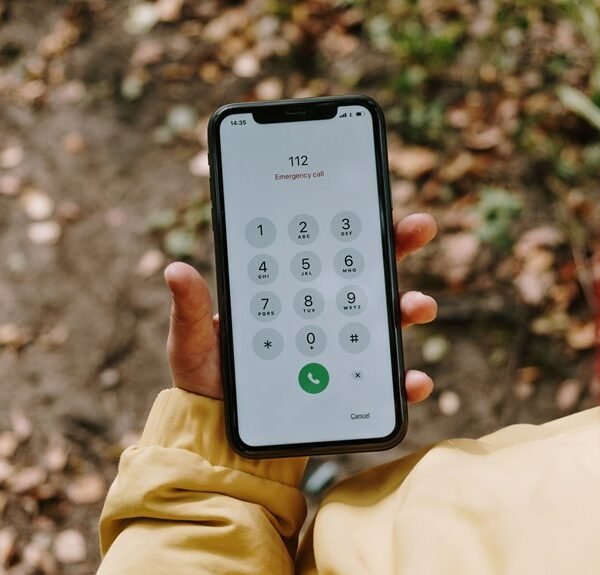
The number 347-252-2553 can prompt a range of motives, from outreach to verification tests. Practitioners should assess context, verify identity, and cross-check against trusted records before proceeding. Protect data by screening unknown calls and keeping responses brief and neutral. If legitimacy remains unclear, avoid sharing information, document the interaction, and pursue follow-up through reliable channels. A careful, proactive approach preserves autonomy and reduces risk, inviting you to consider your next steps with caution.
What the Number (347) 252-2553 Might Be Trying to Do
Possible motives behind the number (347) 252-2553 include attempts to initiate contact, verify availability, or test the recipient’s responsiveness. A neutral assessment considers phone ethics and caller intention, noting potential spam signals and vigilant call framing. The approach remains concise: assess context, preserve autonomy, and document patterns without encouraging risky interaction or unverified engagement.
How to Verify Who’s Calling Before Answering
To verify who is calling before answering, a systematic approach combines caller ID checks, cross-referencing numbers with trusted records, and mindful response tactics.
The process emphasizes verify caller identity, assessing caller behavior for consistency and legitimacy.
How to Protect Your Data From Unfamiliar Calls
Protecting data from unfamiliar calls requires a proactive, layered approach that minimizes exposure and reduces risk.
The audience seeks freedom, so the language emphasizes control.
To safeguard privacy, ignore the call when suspicious and screen the caller before sharing personal information.
Maintain updated contact preferences, enable call-blocking features, and review permissions on apps that access contacts or numbers.
How to Respond Safely If You Answer or Miss the Call
When a call from (347) 252-2553 is answered or missed, practical steps help minimize risk and exposure.
A safe response prioritizes brevity, neutral verification, and caution.
Seek caller verification when possible, avoid sharing sensitive data, and end the interaction if legitimacy remains unclear.
Document this contact and follow up through trusted channels to preserve personal freedom and safety.
Frequently Asked Questions
Could This Number Be a Spoof or Scam?
Yes, it could be a spoof or scam; caution is advised. The analysis emphasizes spoof risks and caller verification, encouraging proactive steps to verify legitimacy before sharing personal information or engaging further.
What Signs Indicate a Legitimate Business Call?
A coincidence paints the scene: signs indicate a legitimate business call when caller ID aligns, voice clarity is consistent, and offers request call verification. The approach notes spoof risks, regional robocalls, blocking strategies, and reporting steps.
How Often Do Robocalls From This Area Code Occur?
Robocall frequency from this area code fluctuates, reflecting broader trends in area code trends. The pattern shows variable volumes with occasional spikes, suggesting prudent dialing practices and ongoing monitoring for individuals seeking freedom from intrusive calls.
Can I Block This Number Without Missing Important Calls?
Blocking concerns: yes, it is possible to block this number without missing important calls. The approach emphasizes proactive filtering, enabling blocking calls while keeping essential contacts reachable, though users should periodically review blocked lists for legitimate communications.
Are There Legal Steps to Report Suspicious Calls?
There are legal remedies and reporting steps available for suspicious calls; blocking options and call screening can reduce risk. Affected individuals can pursue telecommunication complaints, seek enforcement actions, and document evidence while maintaining freedom to manage communications proactively.
Conclusion
In closing, cautious communication curbs complications. Consider calls from curious numbers, including 347-252-2553, as potentially perplexing prospects. Practice prudent verification: pause, probe, and corroborate with trusted contacts. Politely postpone sharing sensitive data, and prefer brief, neutral confirmations. Maintain meticulous records of interactions, and monitor patterns for red flags. When in doubt, disengage gracefully and follow up via secure, trusted channels. Practice protection, prioritize privacy, and promote proactive, principled phone etiquette always.